
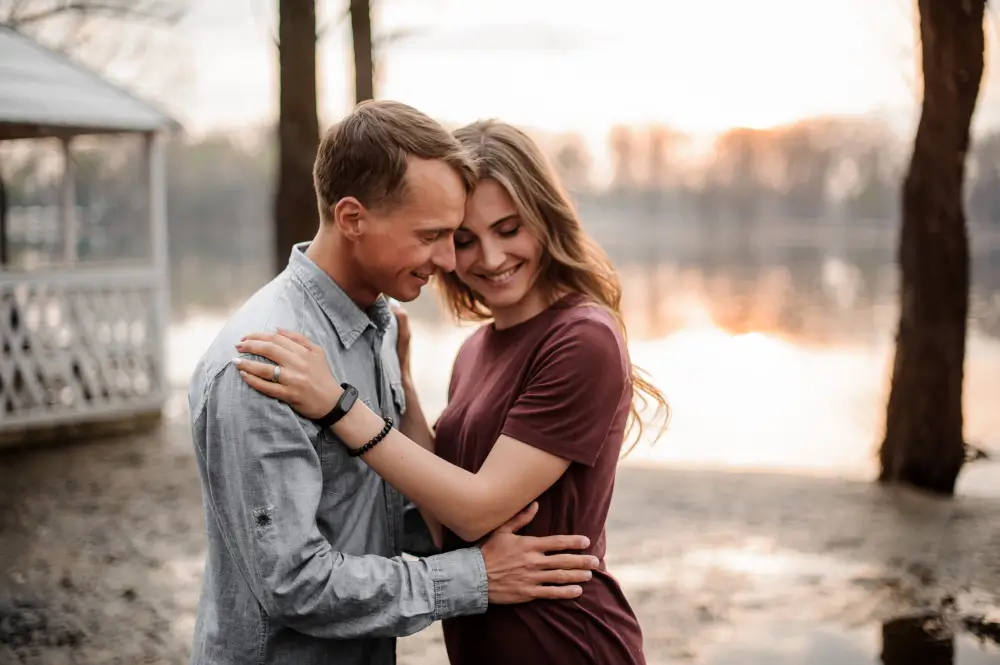
From Single to Committed: How Real Relationships Develop Step by Step
Transitioning from independent single life into a serious partnership is rarely an overnight event. In almost every case, the process unfolds quietly through subtle shifts in your routines, your priorities, and your emotional focus. It starts the moment you stop viewing your life solely through the lens of individual autonomy and begin naturally factoring someone else into your day-to-day decisions.
Commitment is not about simply declaring a new relationship status. It requires genuine emotional availability. A person can meet someone exceptionally attractive and compatible, but without a willingness to open up, share responsibility, and make space for vulnerability, the connection will never move past casual dating.
To gain a deeper perspective on how this process works behind the scenes, take a close look at how singles move toward real relationships and serious commitment to navigate your own romantic life with confidence.
Why real relationships start with quiet consistency
In reality, lasting connections do not depend on dramatic, grand romantic gestures. They take root through reliable habits, comfortable conversation, and growing mutual respect across everyday situations.
Regular, open communication builds psychological safety. When you know where you stand with someone and do not have to decipher mixed signals, your nervous system relaxes. That ease creates the perfect environment for emotional intimacy to grow naturally.
I watch for these practical signs of genuine connection.
- Daily messages and calls feel like a welcome conversation rather than an obligation.
- Both individuals show up on time and follow through on the promises they make.
- Conversation moves effortlessly from light banter to serious discussions about life goals.
- Planning for the upcoming weekend happens naturally without hesitation or guessing games.
When a connection builds on this steady foundation, moving into exclusivity feels like a natural step forward rather than a stressful negotiation.
The evolutionary path from casual dates to real devotion
Building a resilient relationship requires moving through specific phases of emotional trust. Rushing the process often backfires because trust cannot be demanded; it must be earned through repeated experiences over time.
I measure progress through five distinct phases.
- The spark of interest. Initial chemistry brings two people together. Interactions stay light and fun while both sides assess surface-level compatibility.
- Regular contact. Communication becomes predictable and consistent. Spending time together shifts from occasional meetings to an established weekly pattern.
- Developing safety. Deeper personal conversations take place. You begin sharing personal history, values, and vulnerabilities in an atmosphere of mutual respect.
- Values alignment. Both people communicate their long-term expectations clearly. You confirm that your visions for family, lifestyle, and loyalty match.
- Committed partnership. The relationship becomes a top priority. Daily decisions, future plans, and practical responsibilities are handled with mutual devotion.
This structured, intentional progression is especially relevant when connecting through a reputable European dating platform for serious relationships, where women value traditional courtship, honesty, and clear masculine direction over ambiguous modern dating games.
The behavioral contrast between dating and true partnership
A real relationship is distinguished by actions, not romantic titles. Anyone can enjoy pleasant dinners and fun weekends when things are easy, but true commitment reveals itself in how you navigate everyday life together.
You can easily distinguish casual dating from a real partnership through daily behavior.
- Casual dating relies on convenience and spontaneous availability, whereas committed partners deliberately coordinate their schedules to build a shared future.
- Casual dating keeps a woman at the edges of your personal world, while a committed partner is welcomed into your home, social circle, and family life.
- Casual dating walks away at the first sign of friction, while dedicated partners communicate calmly to find constructive solutions.
- Casual dating offers support only when it is comfortable, whereas a real partner shows up consistently during difficult life transitions.
Observing these repeated patterns gives you the confidence to know whether you are building something permanent or simply passing the time.
Developing emotional safety during the transition
The psychological heart of the transition to a relationship is emotional safety. As intimacy deepens, both people must feel secure enough to let go of self-protective habits and embrace genuine closeness. When respect, patience, and transparency are present, trust grows without force. You no longer feel the need to play tactical dating games or hold back your true feelings. By approaching the transition with clear personal standards, honest communication, and steady reliability, you create an unshakeable foundation for a partnership that lasts a lifetime.
Also worth reading: Intentional Dating: How to Build a Resilient, Lasting Relationship

Michaela Smith serves as the esteemed relationship expert at SafeDateOnline, bringing a wealth of knowledge and insight to the platform. With a background in psychology and counseling, Michaela offers invaluable advice and support to individuals seeking guidance in their romantic endeavors. Her expertise in understanding human behavior and interpersonal dynamics enables her to provide tailored recommendations and strategies for building healthy and fulfilling relationships. Michaela’s dedication to helping others navigate the complexities of dating and relationships makes her an invaluable asset to the SafeDateOnline community. Through her contributions, she empowers users to cultivate meaningful connections and navigate the challenges of modern romance with confidence and resilience.