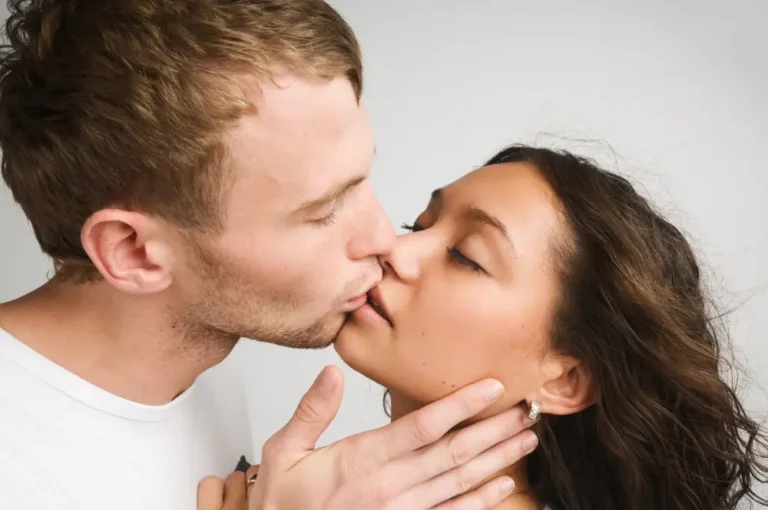

How Body Language Reveals Attraction and Romantic Interest
Body language often communicates attraction faster than words because many nonverbal reactions appear spontaneously. A person may choose careful phrases, stay polite, or avoid direct statements, yet posture, eye behavior, facial reactions, and physical orientation can still reveal real emotional engagement. In dating, this matters because attraction is not always expressed openly at the beginning. People often test comfort, observe reactions, and respond through subtle cues before they become more explicit.
At the same time, body language should never be treated as a perfect code with one fixed meaning for every gesture. Nonverbal signals are most useful when they are observed as patterns rather than isolated moments. A single smile, a brief glance, or one instance of leaning closer may mean very little on its own. However, when several behaviors repeat and support each other, they begin to form a more reliable picture of interest.
Understanding body language is valuable not because it allows people to make quick assumptions, but because it helps them notice emotional direction more accurately. It encourages better observation, more realistic interpretation, and greater sensitivity to context. On a genuine relationship site or in real-life dating, this kind of awareness can make communication feel more natural and less confusing. Instead of relying only on words, people learn to recognize whether attention, comfort, and attraction are building in a mutual way.
Body Language Attraction Cues Explained
Body language attraction cues are important because they often reveal interest before attraction is clearly verbalized. In dating, people do not always say what they feel directly, especially in the early stages. They may be cautious, uncertain, or simply more expressive through behavior than through words. This is why nonverbal communication often carries so much meaning. It shows how someone is reacting in real time, not just what they choose to say.
Attraction is rarely expressed through one dramatic movement. More often, it appears through small adjustments in posture, focus, and responsiveness. A person who feels drawn to someone may naturally turn toward them, maintain stronger eye contact, or react more quickly to what the other person says. These cues tend to happen with less conscious control than spoken language, which is why they can feel more revealing.
Another reason these signals matter is that they often reflect emotional comfort as much as attraction itself. When people feel interested, they also tend to become more physically engaged in the interaction. Their body shows more openness, more attention, and more willingness to remain connected. This makes body language a useful way to understand not only whether someone is attracted, but whether they feel comfortable enough for that attraction to become visible.
Still, these cues are most accurate when they are consistent and repeated. Attraction is better understood as a pattern than as a single gesture. A brief smile may be politeness. Sustained attention paired with open posture, responsive facial expressions, and repeated orientation toward the other person suggests much more.
This is why body language attraction cues should be read with patience. They are not shortcuts to certainty. They are signals that become meaningful when several of them appear together over time and within the right context.

Signs of Interest Through Body Language
Signs of interest through body language often appear before a person openly expresses attraction. In many interactions, especially romantic ones, people communicate attention and comfort through posture, movement, and facial behavior long before they make their intentions explicit. These signals are useful because they often emerge naturally, without the same level of control that shapes spoken language. However, they are most accurate when read as a group of repeating cues rather than as isolated gestures.
Openness in posture and body direction
One of the clearest indicators of interest is openness. When someone feels engaged, their body usually becomes more available rather than more guarded. This can be seen in uncrossed arms, a relaxed shoulder position, and a general orientation toward the other person. Body direction matters because people instinctively turn toward what holds their attention. If someone consistently angles their torso, knees, or feet toward another person, it often suggests more than simple politeness.
This kind of openness usually reflects both comfort and interest. A person who is emotionally engaged tends to make it easier for interaction to continue. Their body does not look closed off or distracted. Instead, it supports the connection by signaling attention without words.
Eye behavior and facial response
Eye contact is one of the strongest signs of interest through body language, but it works best when observed in context. A person who is attracted may hold eye contact a little longer, return to it more frequently, or combine it with a softer facial expression. A natural smile, quick reaction to the other person’s expressions, or a brighter overall facial response can also suggest emotional engagement.
What matters is not intense staring, but responsiveness. When someone’s face becomes more animated around a particular person, that often signals involvement. Their expressions begin to mirror the tone of the interaction, showing that they are not only present but emotionally participating.
Physical responsiveness and subtle mirroring
Another common sign is mirroring. When people feel connected, they often begin to reflect each other’s posture, energy, or rhythm without noticing it. This may include similar gestures, matching tone, or parallel movement. Mirroring can signal rapport in general, but in a dating context it often becomes stronger when attraction is present.
Subtle responsiveness matters too. Leaning slightly closer, reacting quickly to humor, adjusting position to stay engaged, or finding reasons to remain physically oriented toward the other person all suggest that the interaction feels meaningful.
Why patterns matter more than single gestures
No single movement proves interest on its own. A smile may be friendliness, and eye contact may be simple attentiveness. But when open posture, facial warmth, repeated orientation, and responsive movement appear together, they create a much clearer signal. This is why signs of interest through body language are best understood as patterns of consistent attention rather than individual actions taken out of context.
Further reading: How People Transition from Single Life to a Real Relationship
Nonverbal Signals of Attraction in Dating
Nonverbal signals of attraction in dating often appear quietly, yet they shape the entire tone of an interaction. People do not rely only on words or direct flirting to express interest. Instead, attraction is reflected in how they position themselves, how quickly they react, and how naturally they stay engaged. These signals are especially important in dating because both individuals are usually paying attention to comfort, chemistry, and mutual responsiveness, even if they are not fully aware of it.
Physical distance is one of the most noticeable indicators. When someone feels at ease and interested, they tend to maintain comfortable proximity without creating unnecessary space. This does not involve crossing boundaries, but rather showing ease with closeness. Orientation also plays a role. A person who consistently faces the other, keeps their body directed toward the interaction, and remains physically present usually signals a higher level of involvement.
Micro-movements add another layer of meaning. These are small, often unconscious adjustments that reflect awareness and attention. While they may seem insignificant on their own, they become more meaningful when they appear repeatedly during interaction.
Key nonverbal signals of attraction include:
- Comfort with proximity – maintaining natural closeness without withdrawing unnecessarily
- Body orientation – turning the body toward the other person and staying physically engaged
- Facial responsiveness – showing natural smiles, quick reactions, and expressive engagement
- Micro-adjustments – subtle movements like adjusting posture or reacting to gestures
- Sustained attention – remaining focused and responsive throughout the interaction
Facial expression is especially important because it reflects emotional involvement. A person who is attracted often appears more animated, with warmer reactions and more consistent eye engagement. These responses tend to feel spontaneous rather than controlled.
In combination, these nonverbal signals create a clearer picture of interest. While no single cue guarantees attraction, repeated and aligned behaviors usually indicate genuine engagement and growing connection.

Flirting Body Language Cues
Flirting body language cues are usually more expressive than general signs of friendliness, but they still need context to be understood correctly. Friendly behavior and romantic interest can sometimes look similar on the surface. The difference often lies not in one specific gesture, but in the overall consistency, focus, and emotional tone of the signals.
In flirtatious interaction, body language tends to become slightly more intentional. Eye contact may last longer, smiles may feel more personal, and physical orientation may remain more constant. A person may also use playful facial expressions, subtle pauses, or light movements that create a more charged and attentive atmosphere. These signals often work together with tone of voice and timing rather than standing alone.
One important distinction is repetition. A friendly gesture may happen once and pass. Flirting body language tends to repeat and build. If someone consistently returns attention, keeps their body directed toward the other person, and combines this with warmth and responsiveness, the interaction begins to feel more romantic than casual. This is why single gestures are less important than coordinated patterns.
Flirting also often includes a slight increase in sensitivity to the other person’s reactions. Someone who is interested may become more physically responsive, more expressive, and more aware of moments of closeness. These cues are often subtle, yet they change the overall feeling of the interaction. Rather than signaling friendship in a broad sense, they create a more selective and personal dynamic.
How to Read Attraction Correctly
How to read attraction correctly depends on observing context, repetition, and emotional consistency rather than making immediate assumptions. Body language can reveal interest, but it can also reflect habit, friendliness, nervousness, or general sociability. That is why accurate interpretation requires patience. The goal is not to decode one gesture in isolation, but to notice whether a broader pattern of attention and comfort is forming.
A careful approach helps avoid misunderstanding. In spaces such as a Ukrainian women dating network or in live dating situations, people may express themselves differently based on personality, culture, or level of confidence. Reading attraction correctly means staying attentive without becoming overly certain too quickly.
Useful principles include:
- Look for repeated signals – one smile or one moment of eye contact means very little on its own, but repeated openness and engagement carry more meaning.
- Consider the setting – behavior that seems intimate in one environment may be completely normal in another.
- Notice combinations, not isolated gestures – attraction is easier to identify when posture, facial expression, orientation, and responsiveness all point in the same direction.
- Separate interest from friendliness – warm behavior can reflect kindness rather than romantic intent, so consistency matters.
- Watch for comfort with proximity and attention – attraction often includes ease with closeness, sustained focus, and emotional responsiveness.
Reading attraction correctly is less about certainty and more about thoughtful observation. When signals repeat and align naturally, they become more reliable and easier to understand.

Body Language Dating Signals in Real Interactions
Body language dating signals in real interactions tend to become much easier to read when two people are physically present with each other. Messages can show interest through speed, tone, and consistency, but they cannot fully reveal how someone reacts in shared space. Live interaction brings in posture, eye behavior, facial response, distance, and timing. These elements often communicate emotional reality more clearly than words because they show how a person feels in the moment rather than how they choose to present themselves.
In dating, this matters because attraction is not only verbal. People may speak politely, ask the right questions, or sound engaged while their body shows hesitation, distance, or uncertainty. The opposite can also happen. Someone may seem slightly reserved in speech but reveal clear interest through attention, openness, and physical ease. This is why body language becomes especially important in real interactions. It adds emotional depth to what is being said and helps clarify whether the connection feels genuine.
Physical orientation and comfort with proximity
One of the clearest signals in live dating is how a person positions themselves. When someone feels comfortable and interested, they usually orient their body toward the other person more consistently. Their shoulders, torso, and feet often remain directed toward the interaction, which suggests attention and emotional presence. This type of orientation usually happens naturally, without conscious effort.
Proximity also matters. Attraction is often reflected in how a person responds to shared space. If they remain relaxed, do not create unnecessary physical distance, and seem at ease with closeness, that can indicate both comfort and growing interest. Of course, proximity should always be understood within the context of personal boundaries, but in general, people tend to move slightly closer to what feels emotionally engaging rather than further away from it.
Eye contact and facial warmth
Eye contact is another major part of body language dating signals in real interactions. It is not simply about how long someone looks, but about the quality of that attention. A person who is interested may return eye contact more often, hold it a little longer, and combine it with a softer or warmer facial expression. These moments usually feel different from neutral politeness because they carry more emotional focus.
Facial response strengthens this signal. When attraction is present, expressions tend to become more animated and more responsive. Smiles appear more naturally, reactions feel quicker, and the face reflects greater involvement in the conversation. This kind of warmth often reveals interest more clearly than dramatic gestures ever could.
Responsiveness and emotional engagement
Responsiveness is one of the most reliable signs of real-time interest. Someone who feels engaged usually reacts more fully to what the other person says and does. Their body remains involved, their expressions follow the flow of conversation, and their attention does not drift as easily. This creates a more mutual rhythm, where the interaction feels alive rather than one-sided.
In many cases, attraction becomes visible through this overall responsiveness more than through any single cue. A person who is interested looks emotionally present. They appear tuned in, quick to react, and naturally involved in the shared moment.
Patterns reveal more than isolated gestures
The most important thing to remember is that body language dating signals are best understood as patterns. One gesture means very little on its own. But when orientation, proximity, eye contact, and responsiveness all point in the same direction, they begin to reveal whether interest is casual, uncertain, or genuinely developing. In real interactions, these combined signals often provide the clearest picture of attraction.
Attraction Gestures Explained Clearly
Attraction gestures are easiest to understand when they are seen as part of a combined pattern rather than as separate signs with fixed meaning. People often look for one clear movement that proves interest, yet attraction usually works differently. It appears that clusters of behavior that reinforce each other over time. This is why a fuller explanation matters. A gesture becomes more meaningful when it appears alongside posture, attention, facial response, and physical orientation, which all suggest emotional engagement.
Some gestures are commonly associated with attraction because they reflect increased awareness of the other person. These may include leaning in slightly during conversation, maintaining more sustained eye contact, smiling in a warmer or more responsive way, or adjusting body position to stay connected to the interaction. More subtle examples include mirroring another person’s movements, reacting quickly to their expressions, or making small self-adjustments such as smoothing clothing or touching hair. On their own, none of these gestures confirms romantic interest. Together, however, they often create a much stronger signal.
What matters most is consistency. A person who repeatedly shows openness, attentiveness, and comfort with closeness is communicating something more significant than simple friendliness. Attraction gestures become easier to recognize when they are stable across different moments instead of appearing once and disappearing. The larger pattern is what gives them meaning.
Understanding attraction gestures clearly helps create a more realistic view of romantic body language. It prevents overinterpretation while still making it possible to notice genuine interest. In the romantic context, body language is not a secret code but a form of emotional direction. When several gestures align naturally, they often show that attraction is present and that the interaction is moving toward a deeper connection.
Talking to someone who grew up in another country brings fresh topics, shared humor, and different perspectives into your everyday routine. You can start exploring those connections from your own living room by checking the most popular European dating sites for singles today.
Harry Millsap is a dating coach renowned for his expertise in relationship dynamics and personal growth. With a background in psychology and years of experience, he helps people enhance their dating lives by providing actionable advice and strategies to build confidence and foster meaningful connections.